St. Bernard’s School of Theology and Ministry is committed to upholding its mission with integrity. Just as in our lives, we must both intend good things and also assess whether those good things truly come about.
For this reason, it is important that the School’s constituencies and potential students can access a public record of educational effectiveness that bears witness to the fruitfulness of the passionate and practical, transformative and rigorous formation provided at St. Bernard’s. As a School, we also reflect upon the below information to understand what we do well and what we must improve.
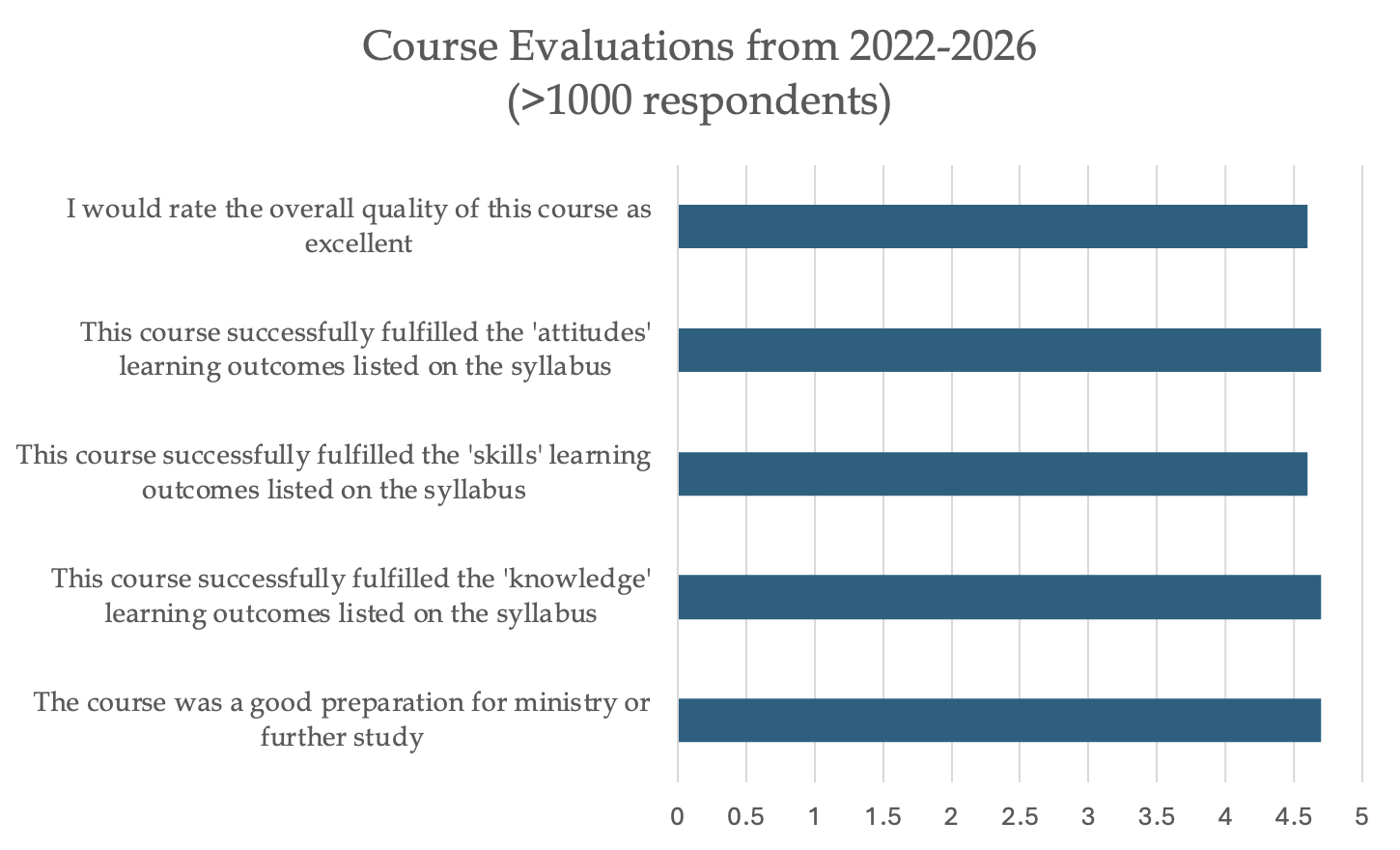
Course-Level Evaluations
Every student at St. Bernard’s has the opportunity to complete a course evaluation, assessing the course they are taking, as well as the faculty member.
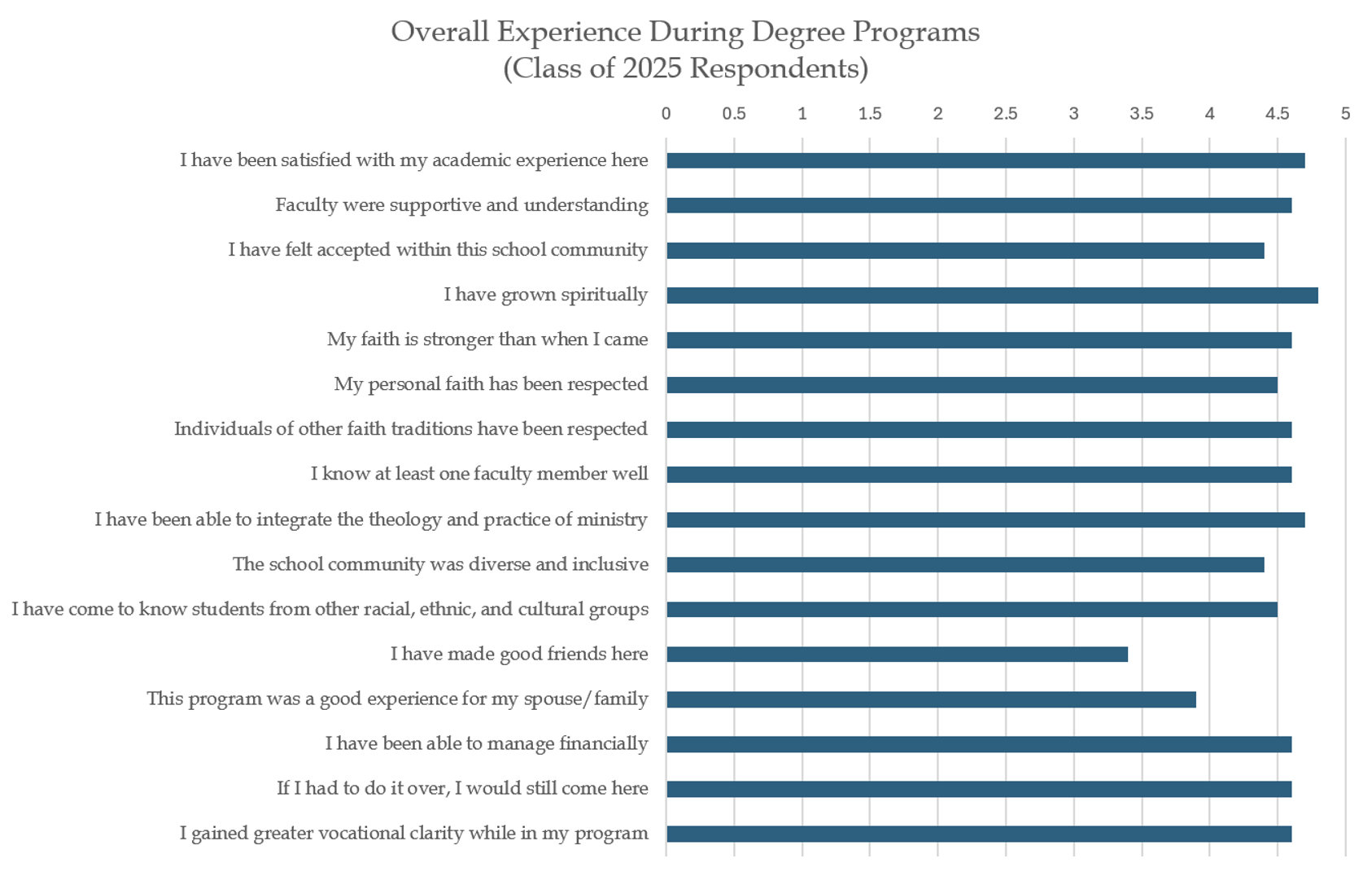
Program-Level Evaluations
Every graduate degree student at St. Bernard’s has the opportunity to complete a program evaluation near the time of their graduation assessing the program as a whole at various levels of detail.
Graduation Rates and Completion Data
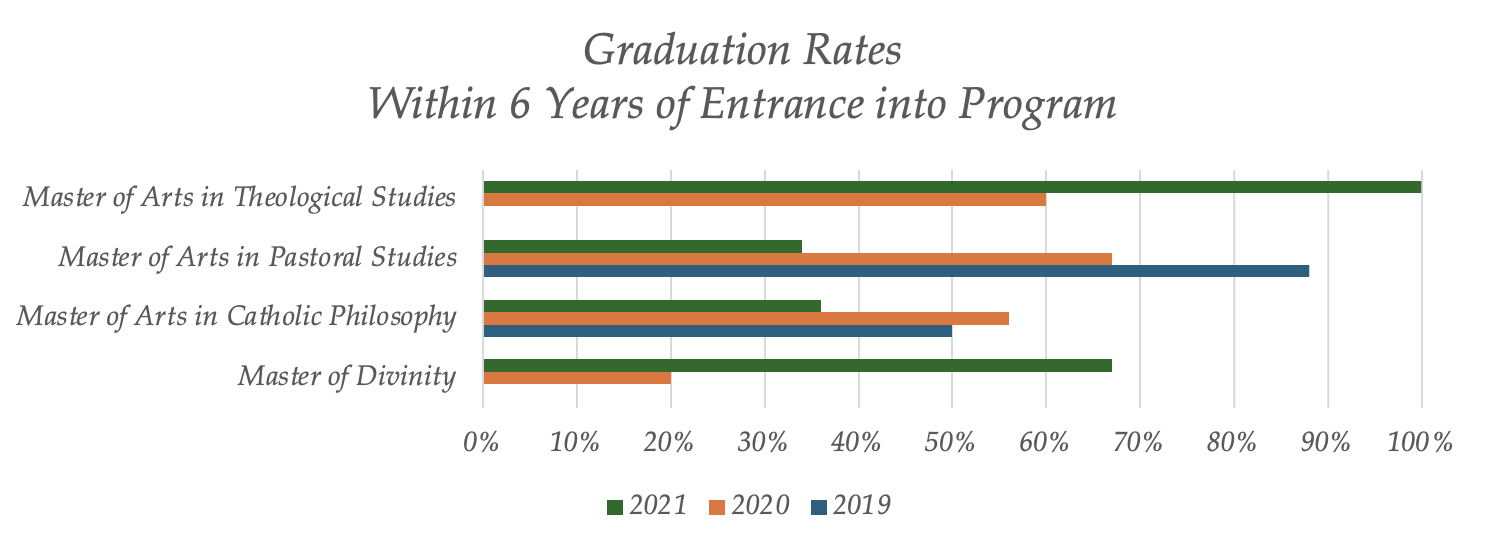
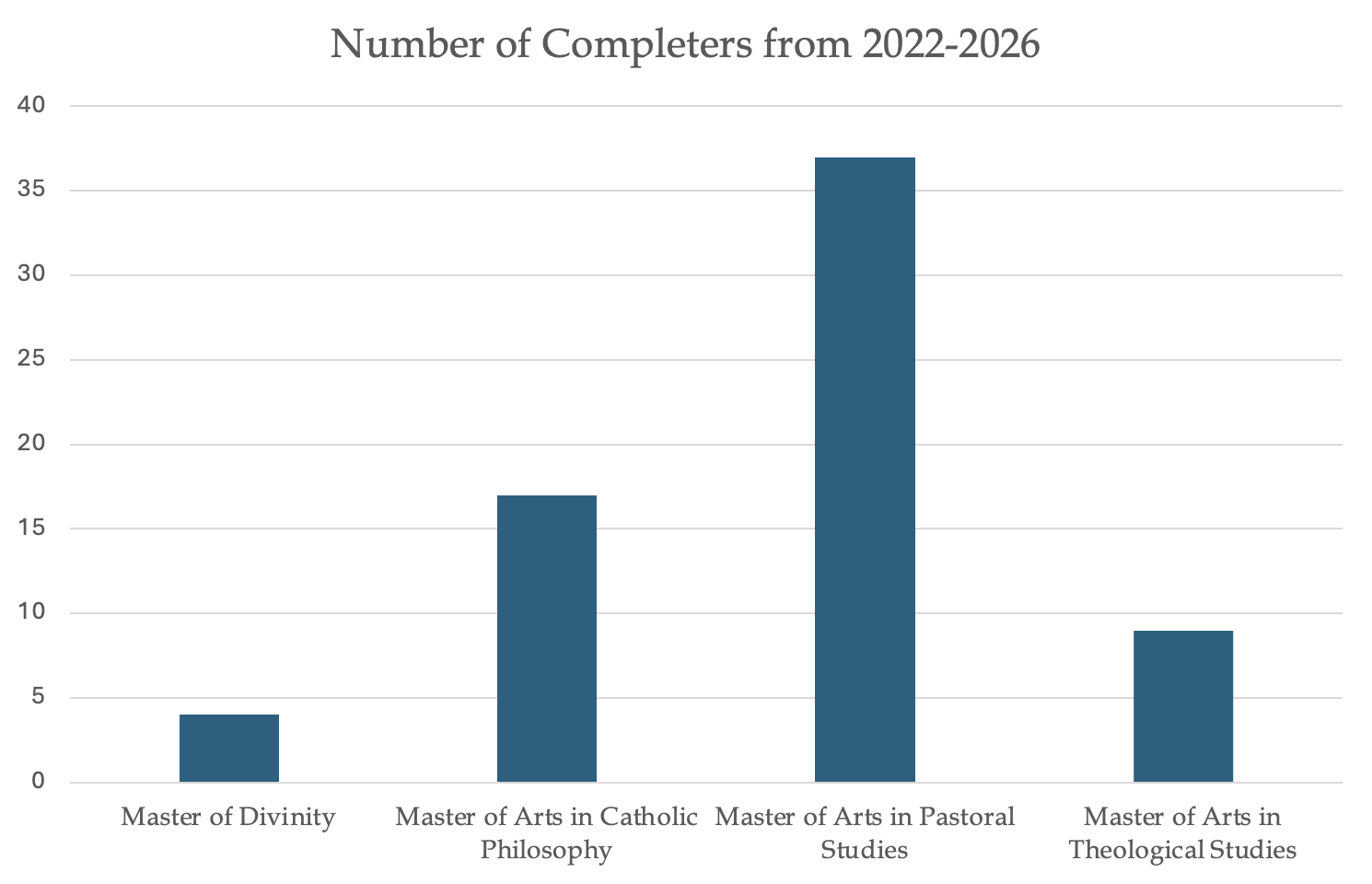
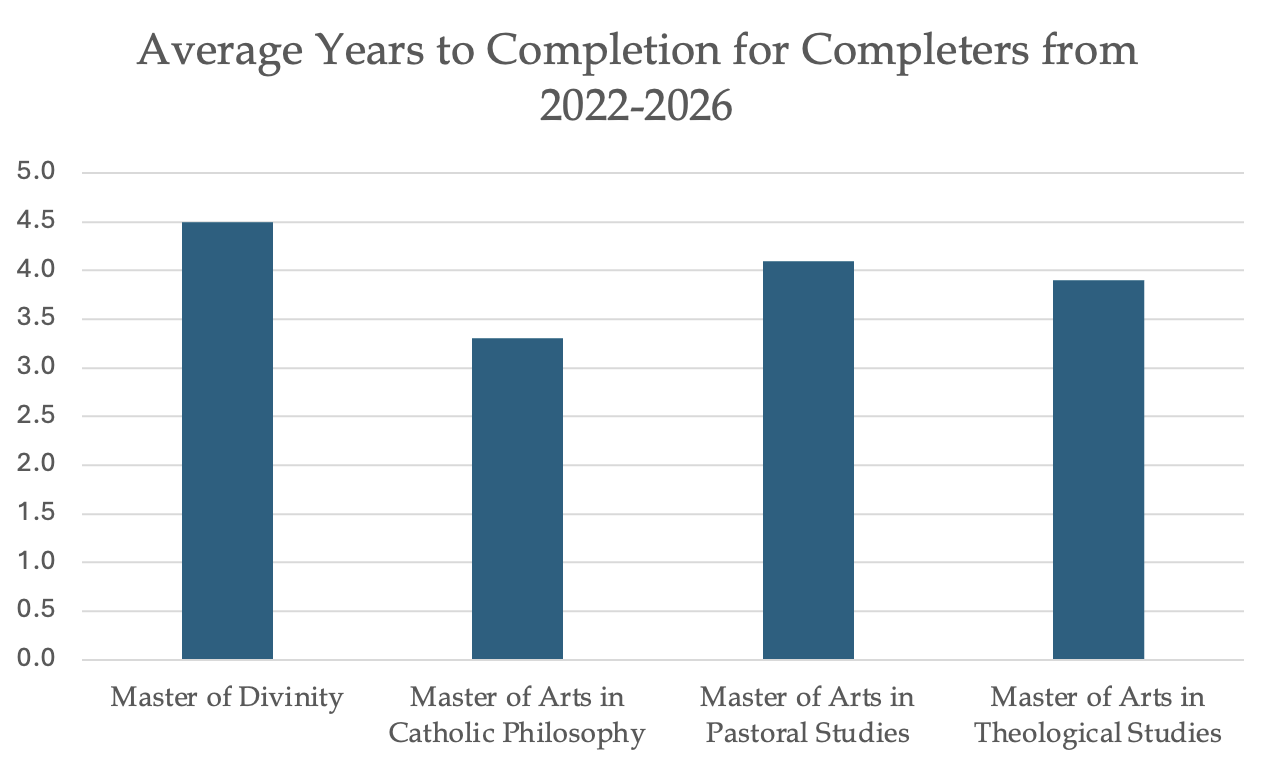
It is important for us to track the graduation rate of students in each of our four graduate degree programs. These numbers help us to understand our ability to help students complete the program they begin.
These numbers vary from year to year and degree to degree, in part because of the specific diocesan formation programs we serve: certain men in formation for the permanent diaconate, for example, may not continue because they discern that they are not called to the permanent diaconate. Low graduation rates do not necessarily translate into unhealthy retention patterns.
Placement Rates
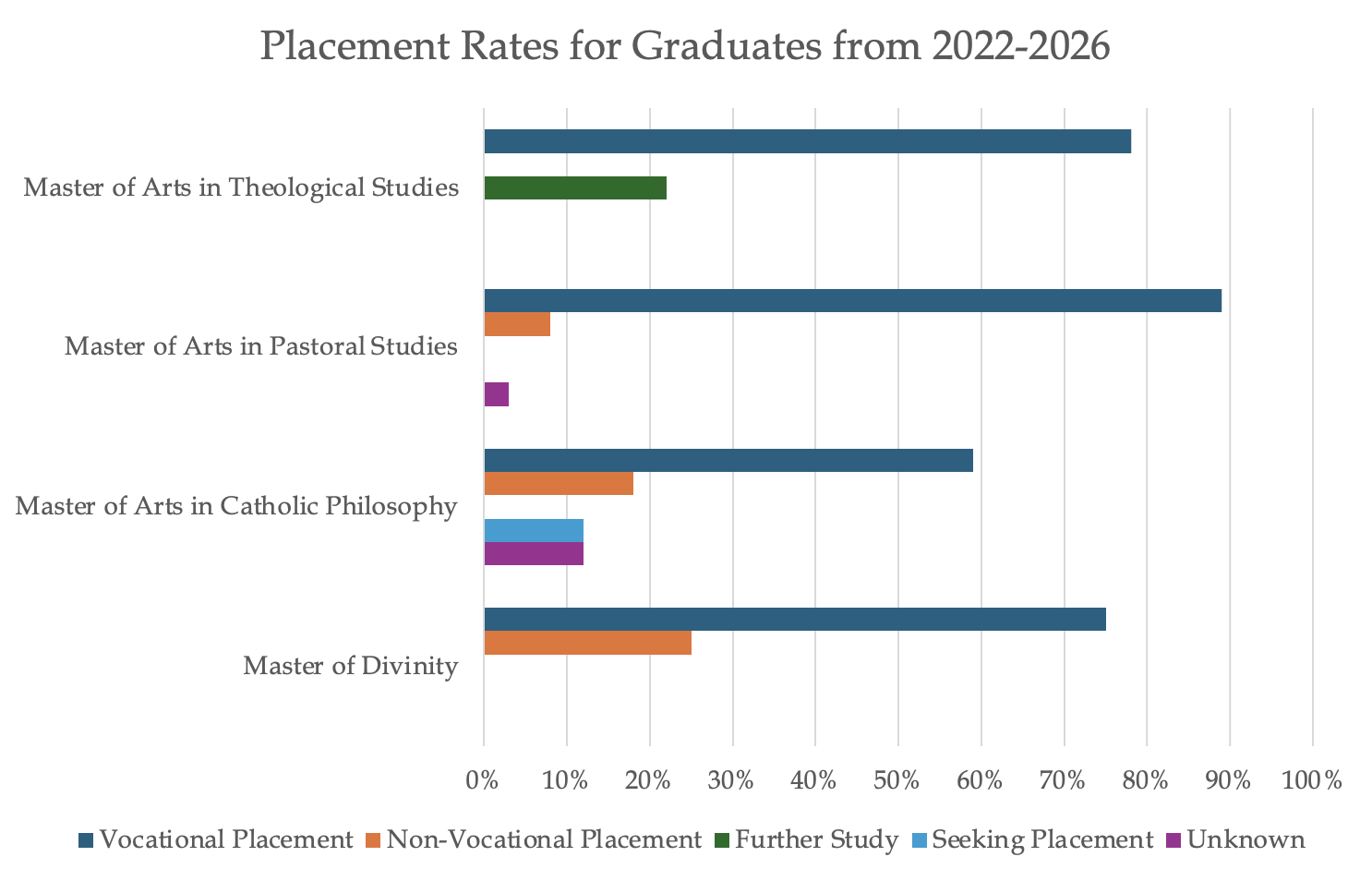
While our School views formation as a good in itself – above all as formation under the power of the Holy Spirit for the sake of sanctification – it is also true that formation at St. Bernard’s is on the way to mission. The work accomplished at our School is dedicated to the service of God and neighbor, both now and in the years after graduation.
It is important for us to understand the vocational placement of students after graduation to ensure that our School is properly forming men and women for their intended vocational service.